







Search Results for: three out of ten
Sweetness in the Roast Calendar: When to Open Three Americano Beans
A highly sweet Americano often does not show its full expression on the very day of roasting. When coffee beans have just left the roaster, they are still degassing heavily; excessive carbon dioxide makes the espresso fluctuate more and causes the aromas to mask one another. Scheduling the bag-opening date for the stage when the flavor gradually unfolds allows the fructose-like roundness, clean finish, and aromatic distinctiveness to be more easily [more…]
When to Open a Bag of Espresso Beans: A Tasting Timeline for Three Beans
When espresso beans have just been roasted, they don't necessarily reach their ideal state right away. Because espresso extraction uses higher pressure, too much gas inside the beans can cause the puck to expand noticeably and the crema layer to look rich, yet the flow rate tends to fluctuate easily. When selecting beans, besides reading the flavor description, you should also confirm the roast date and plan ahead for when to open the bag, adjust the grind, and finish drinking it. [more…]

The Flavor Window After Opening a Bag of Coffee Beans: How to Drink These Three Distinctive Beans
The aroma of coffee beans is not completely set the moment roasting ends. In the days after coming out of the roaster, the beans continue to slowly release carbon dioxide, and the floral, fruity, and sweet notes need a little time to recombine. The so-called peak-flavor window is more like a period when the flavor is relatively active, not a hard expiration date printed on the package. Once you understand this change, [more…]
From Cold Brew to Siphon and Circulating Filtration: A Detailed Guide to Ten Pour-Over and Brewing Techniques for Single-Origin Coffee
To consistently replicate a clean-flavored single-origin coffee at home, the key lies in understanding the extraction logic behind different brewing methods. This article explores ten common brewing methods, focusing on the key points of cold water slow extraction, steam pressure, and automatic brewing with electric kettles, and also supplements the circulation extraction principle of the filter circulation coffee maker. The content covers equipment preparation, grind size, water temperature and time control, as well as ways to avoid common mistakes. The article also incorporates Front Street Coffee's products and ideas to help coffee enthusiasts choose the right solution based on their equipment and taste, so they can brew a rich and well-layered cup whether on a busy morning or a leisurely weekend. [more…]
After the Roast Date: The Flavor Calendar of SOE Espresso Beans
When SOE espresso beans first leave the roaster, their aroma isn't immediately at its most expressive. The beans are still releasing carbon dioxide, and if they're put on the machine too soon, the puck is easily disrupted by gas, causing the espresso flow to fluctuate and the crema to puff up while the flavor stays tight. Treating the roast date as the start of a flavor calendar is more [more…]
The Flavor Window of Cold Brew Beans: From Roasting to Drinking After Opening
The aroma of cold brew coffee lies in low temperature and prolonged contact, and the condition of the beans directly affects what ends up in the cup. Freshly roasted coffee beans usually carry a lot of gas, and their aromas have not yet unfurled; after resting for a period, sweetness, fruity notes, and mouthfeel gradually become more harmonious. Therefore, when choosing beans for cold brew, you should look not only at the flavor description but also at the roast. [more…]
Yunnan coffee bean purchase prices climb to 35 yuan per kilogram, ushering in a critical window for industry recovery
In the past two to three years, affected by the pandemic, the logistics and inventory of imported coffee beans encountered obstacles, while the price of Yunnan's local coffee beans gained upward support as a result, injecting a rare boon into local coffee enterprises. Looking back ten years, Yunnan coffee bean prices were depressed for a long time, and growers' confidence was shaken. Today, the purchase price of 35 yuan/kg has broken through historical levels. Hu Lu, deputy secretary-general of the Yunnan Coffee Industry Association, pointed out that this price is undoubtedly a shot in the arm for the Yunnan coffee industry, which is in a winter period. If this price level can be stably maintained for three to five years, the whole province is expected to set off a new round of planting enthusiasm. At the same time, the market expects this round of increases to continue until June or July, when Brazil and Colombia enter their harvest seasons, and changes in output may trigger a new round of fluctuations. Front Street Coffee reminds enthusiasts to pay attention to developments in producing areas and to grasp the dual changes in flavor and price. [more…]
From Roast Date to Opening and Tasting: The Flavor Cycle and Storage Tips of Pour-Over Coffee Beans
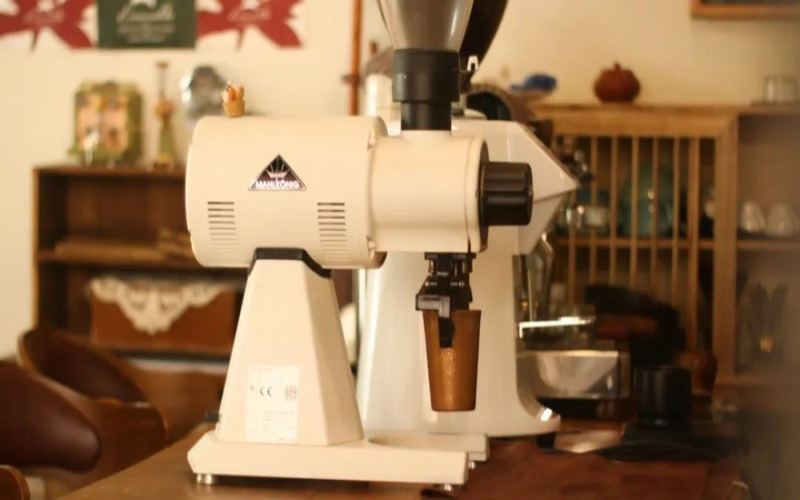
Freshly roasted coffee beans accumulate a large amount of carbon dioxide gas within their bodies, making them unsuitable for immediate grinding and brewing in the first few days after roasting. When hot water is poured in, the gas is released violently, forming a dense barrier layer that hinders full contact between the water flow and the coffee grounds. Through a resting and degassing period ranging from several days to more than ten days, the internal aroma molecules [more…]
How to dial in the flavor window for moka pot coffee beans
Coffee brewed in a moka pot is strong and aromatic, and the condition of the beans directly affects how it tastes. To keep the cup from being too sharply acidic, consider the purchase date, roast date, and how quickly you drink them after opening. Fresh doesn't mean drinking them right after roasting; the beans need a period of degassing for the flavors [more…]
A Complete Beginner's Guide to Pour-Over Coffee: A Hands-On Tutorial from Stance and Water Flow to the Extraction Process
Pour-over coffee, with its simple operation, easy-to-manage equipment, and ability to fully showcase coffee's vibrant aromas and clean taste, has become the preferred brewing method for many enthusiasts. However, behind the seemingly simple act of pouring water lie strict requirements for details such as water temperature, extraction time, water flow rate, and blooming rhythm. This article systematically outlines the fundamental operating standards of pour-over coffee—from stance adjustment, kettle-holding techniques, and the three-part water flow practice to the complete brewing process—helping beginners build a solid foundation and gradually achieve stable, gentle extraction. [more…]
How Roast Dates Shape the Flavor Progression of Single-Origin Beans in a Moka Pot
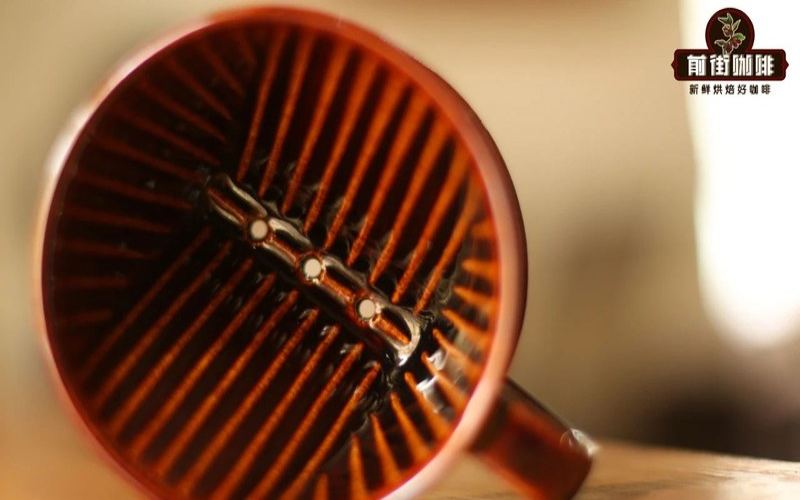
A moka pot concentrates the coffee's strength, oily mouthfeel, and roasted aroma. With the same bag of single-origin beans, the cup's state keeps shifting from a few days after roasting to several weeks after opening. When choosing beans, besides looking at the flavor description, also pay attention to the roast date and match the purchase amount to your own brewing frequency. Drinking it too early or storing it too long may both [more…]
When should you start drinking SOE americano? Sweetness and acidity are easier to balance.
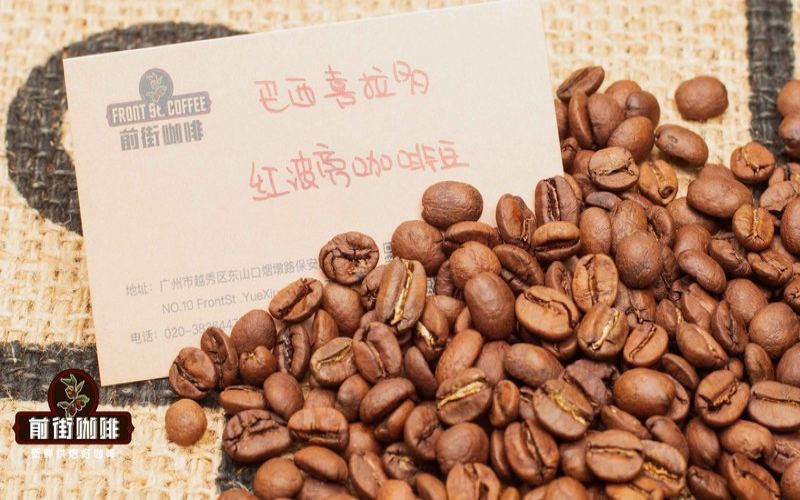
From the day coffee beans finish roasting, the internal gases, aromatic compounds, and extraction state are constantly changing. When made into an SOE Americano, these changes are stretched out by the hot water: drink it too early, and the acidity may seem jumpy while the aroma has yet to unfold; once it enters the right stage, the transition between acidity and sweetness becomes smoother, and the fruit notes are more complete. Therefore, judging [more…]
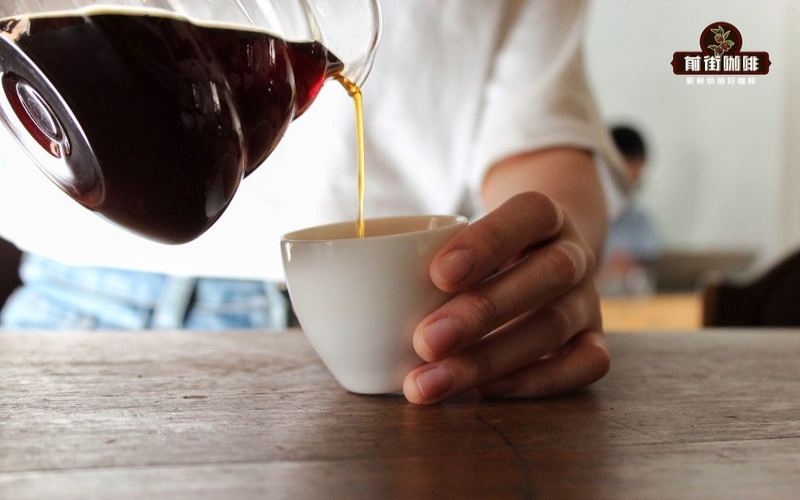
After the roast date, blends and SOE each have their own drinking calendar.
After coffee beans leave the roaster, they continue to release carbon dioxide, and their aromas are still in a phase of recombination. Freshly roasted beans do not necessarily mean better taste right away: when there is too much gas, espresso can be erratic, and the pour-over coffee bed will visibly puff up. Understanding the changes after the roast date makes it easier to plan out the drinking rhythm for a bag of beans. [more…]
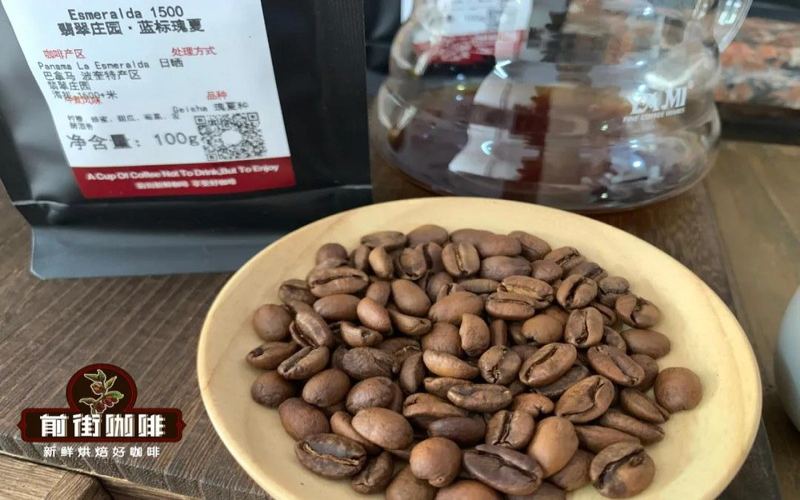
When to Start Drinking Moka Pot Beans: The Flavor Rhythm of Light, Medium, and Dark Roasts
Coffee brewed with a moka pot is quite concentrated, and the condition of the beans directly affects how it tastes. Freshly roasted beans are often full of active gas, and when hot water passes through the coffee bed it easily pulls out sharp, hollow flavors; only after resting for a while do the aroma, sweetness, and body gradually come together. Whether to choose a light, medium, or dark roast can't be judged by color alone. [more…]
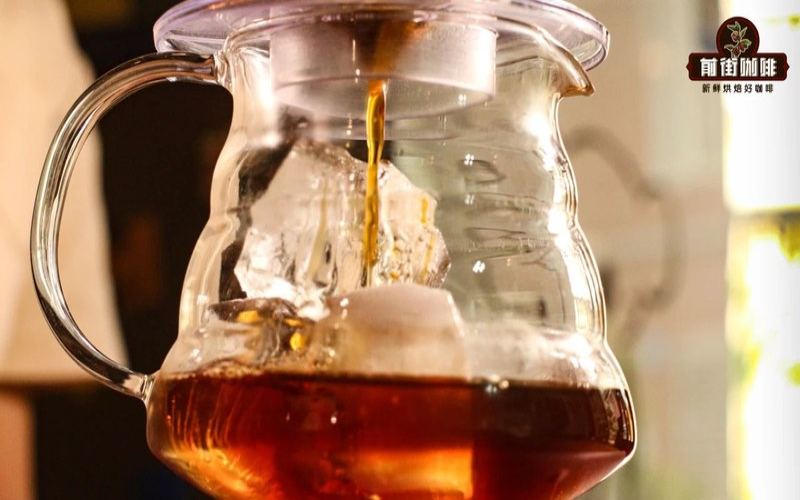
After the roast date, how to schedule the three espresso beans into your drinking routine
The closer espresso beans are to their roast date, the more aromatic they are not necessarily right away. Freshly roasted beans are still continuously releasing carbon dioxide, and during espresso extraction this can result in a puffy crema layer and a wobbly flow, while the taste in the mouth feels somewhat disjointed. After allowing the gas to escape to a moderate degree, the sweetness, body, and aroma usually come together more easily, so when choosing beans you should look at the roast date and [more…]

SOE Bag-Opening Rhythm: From Roast Date to Peak Flavor
SOE beans need to go through a degassing process from the completion of roasting to the unfolding of flavor. Freshly roasted beans contain a lot of carbon dioxide, so when brewing, the contact between water and coffee grounds can be uneven, and the aroma may also seem closed off; after proper resting, the acidity, sweetness, floral notes, and finish will gradually come together. Therefore, the closer the date does not necessarily mean the cup [more…]
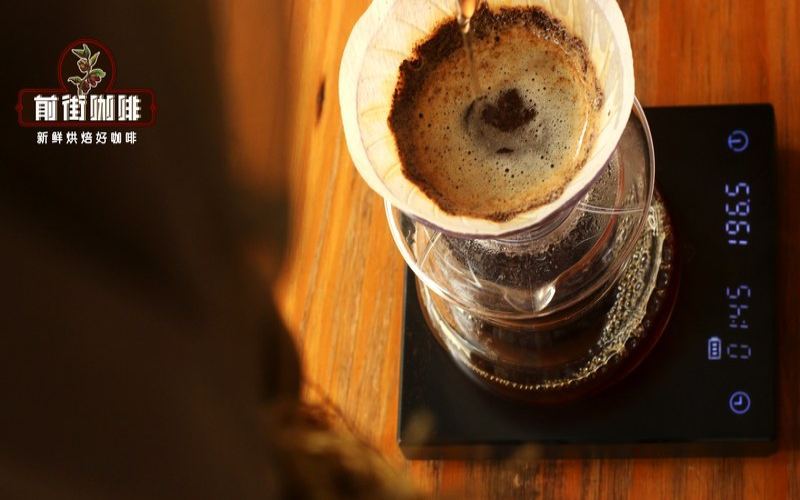
Single-Origin Coffee Opening and Resting Patterns: Capturing the Optimal Drinking Window When Bean Aromas Bloom
Freshly roasted single-origin coffee beans are filled with a large amount of carbon dioxide inside. If they are ground and brewed immediately, the intense degassing reaction will form many bubbles in the coffee bed, preventing the hot water from fully contacting the coffee grounds. Giving the beans a period of steady resting time allows the gas to escape slowly, so that the internal aromatic compounds can be released during extraction. [more…]
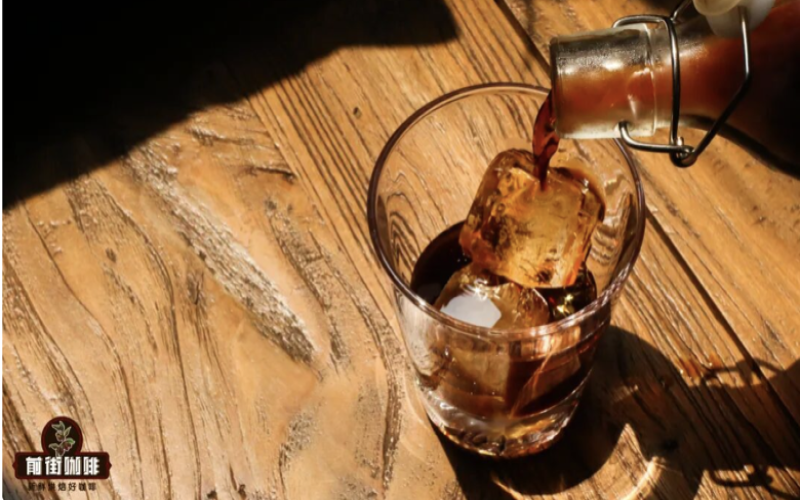
Flavor Experiment with Low-Temperature Slow Extraction: Differences in Cold Brew Across Different Processing Methods
The most fascinating thing about cold brew is that it works like a slow-motion projector: the flavor release that hot extraction completes in a few dozen seconds is stretched out over more than ten hours, and the character of every flavor compound is amplified and put on display. Running a set of cold brew comparison experiments with beans processed in different ways lets you directly see how each processing method truly expresses itself at low temperatures. The experiment is set [more…]
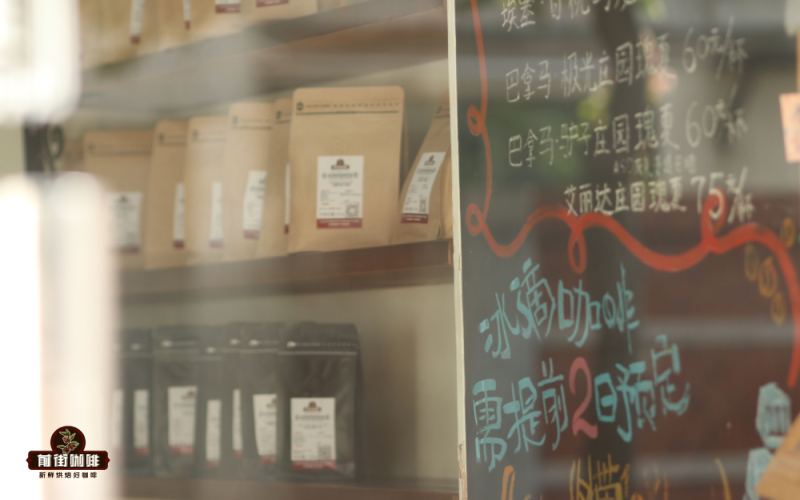
Top Ten Delicious Single-Origin Beans for Pour-Over Coffee | Which Coffee Powder Brands Offer the Best Value? How Are Specialty Coffee Beans Made into Pour-Over Black Coffee?
For more specialty coffee knowledge, please follow the WeChat public account: Front Street Coffee (FrontStreet Coffee). The latest 2023 edition of the world's top ten coffee beans ranking: Panama Hacienda La Esmeralda Red Label coffee beans, Jamaica Blue Mountain No. 1 coffee beans, Indonesia Golden Mandheling coffee beans, Ethio [more…]
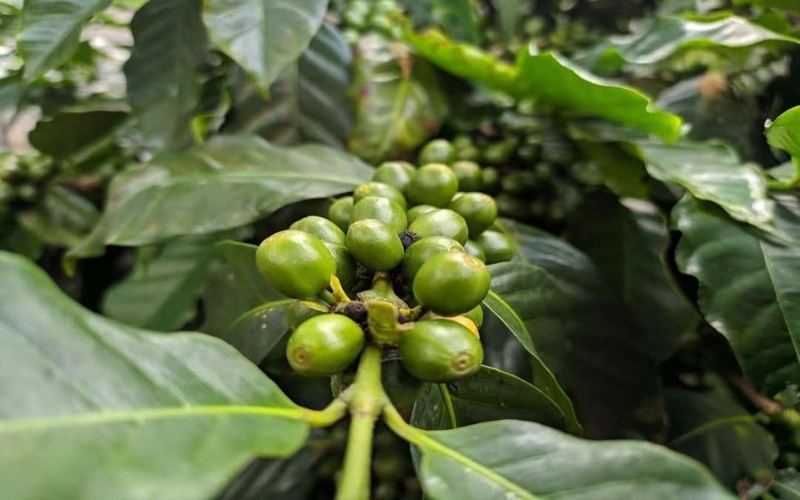
The Flavor Peak of Espresso: Understanding Roast Dates, Degassing Cycles, and Daily Sealed Storage
Espresso extraction is extremely sensitive to the state of the carbon dioxide inside the coffee beans, and the completion of roasting does not mean the beans immediately reach the balance point for aroma release. Freshly roasted coffee beans are packed with a large amount of gas inside. If pressurized extraction is carried out right away, the water flow is easily obstructed by bubbles, leading to uneven extraction and bringing out too many off-flavors. Understanding [more…]